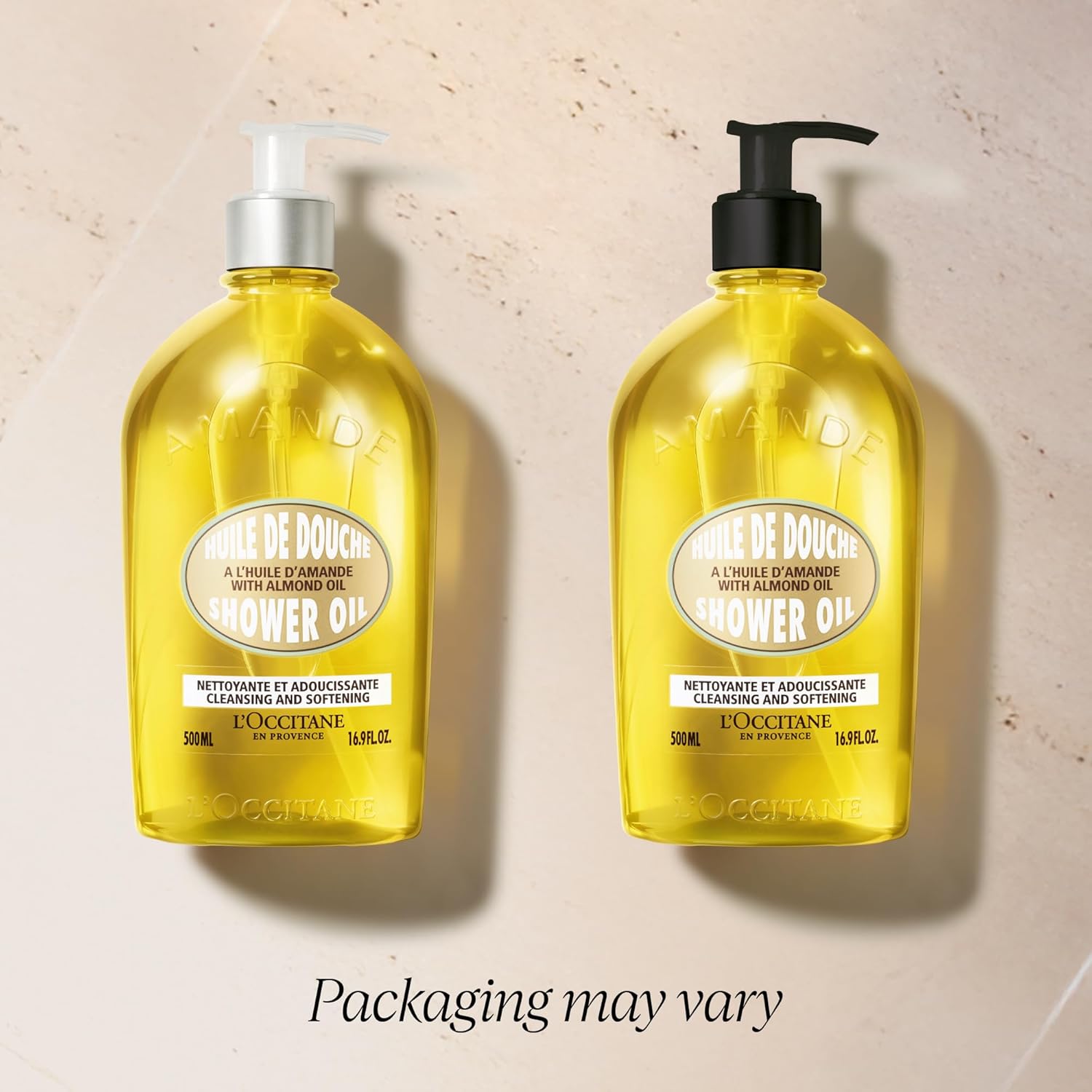
Picture this: you step out of a long shower feeling clean but somehow worse — skin pulled tight across your shins, that faint chalky sensation on your forearms even before the towel hits. If that sounds familiar, the problem probably isn’t your moisturizer. It’s what you’re rinsing off with. Most conventional body washes are built around surfactants — that’s just the industry word for cleansing agents that lift oil and dirt away from skin. The trouble is that for chronically dry skin, those surfactants can strip more than you bargained for, taking along the skin’s own natural lipids (its protective fats) and leaving the barrier in a worse state than before you bathed. Shower oils and oil-infused body washes are formulated specifically to counteract that cycle. This guide breaks down how they work at the ingredient level, where the real formulation differences are between products, and how to match formula type to your specific dry-skin situation — so you can spend confidently instead of cycling through another disappointing bottle.
| EDITOR'S PICK[Bioderma Atoderm Shower Oil](https://www.amazon.com/dp/B018KXY2KC?tag=greenflower20-20) | Mid-tierBioderma - Atoderm - Hydrating… | Budget pick[OGX Extra Creamy + Coconut Mira…](https://www.amazon.com/dp/B01IMEJV5U?tag=greenflower20-20) | |
|---|---|---|---|
| Skin type | Dry, atopic | Normal to dry | Dry |
| Format | Oil cleanser | Gel | — |
| Size | 33.8 fl oz | 33.8 fl oz | 19.5 fl oz |
| Key oil | — | — | Coconut |
| Sulfate-free | — | — | ✓ |
| Face safe | ✓ | ✓ | — |
| Price | $33.99 | $25.99 | $6.57 |
| See on Amazon → | See on Amazon → | See on Amazon → |
What “Shower Oil” Actually Means on the Label — and Why the Distinction Matters
The category name is doing a lot of heavy lifting, and it covers genuinely different formulation strategies. Getting this wrong is the most common reason someone buys a “nourishing” product and gets the same tight-skin outcome.
True anhydrous shower oils are oil-dominant formulas with no water base. They typically contain a blend of plant-based carrier oils — think marula, jojoba, squalane, or sunflower seed oil — alongside a small percentage of an emulsifying surfactant (often a gentle polyglucoside or PEG-based emulsifier) that allows the formula to rinse clean without leaving a full film of oil on the shower floor. These are genuine delivery vehicles for lipids. The oil contacts skin before dilution, which matters because actives in a water-based formula are already diluted from the moment of pump. Byrdie’s overview of shower oils notes that this contact time — even brief — is what differentiates a true shower oil from a “moisturizing” marketing claim on a conventional wash.
Oil-infused body washes are still water-continuous (meaning water is the primary base), but they incorporate a meaningful percentage of emollient oils and are formulated with gentler surfactant systems to avoid stripping what the oils are trying to add back. The critical spec here is the surfactant choice. Well+Good’s reporting on body wash formulation for dry skin highlights that the move away from sodium lauryl sulfate (SLS — a harsh, high-foaming cleanser that has a well-documented irritancy profile) toward sodium laureth sulfate (SLES — milder, still common) and further toward glucoside-based surfactants (derived from sugars, gentler still) tracks almost exactly with the rise of the oil-infused category. A wash can be “infused with marula oil” and still lead with SLS — in that case, the oil is largely decorative. INCI order of ingredients tells the real story.
The emollient-humectant distinction is worth naming explicitly here. Oils function as emollients — they soften and smooth by filling gaps in the skin’s surface layer. They are not humectants (substances like glycerin or hyaluronic acid that pull water into skin). The best formulas for dry skin combine both: an emollient oil phase to reinforce barrier function, and a humectant component to bind moisture while the barrier does its job. CosmeticsInfo.org’s ingredient function library categorizes these separately, and the gap in efficacy between single-function and dual-function formulas is real, especially for eczema-prone or severely dehydrated skin.
Reading the INCI: The Three Formulation Signals That Actually Predict Performance
You already know to read ingredient lists. Here’s the specific decision framework that applies to this category.
Signal 1: Where does the oil appear in the ingredient list?
INCI lists run from highest to lowest concentration. If your “shower oil” lists water (aqua) first and marula oil ninth — after multiple surfactants and preservatives — you’re looking at a water-continuous formula with token oil inclusion. That’s not automatically bad, but it’s a different product than one where oils constitute the first three or four ingredients. For chronically dry skin, especially skin that’s barrier-compromised (rough texture, frequent flaking, persistent sensitivity), a formula where oils are genuinely primary changes the performance outcome meaningfully. Healthline’s roundup of dermatologist-recommended dry-skin body washes, updated for 2025, consistently flags this: dermatologists interviewed cite oil concentration and surfactant gentleness as the two most predictive specs, ahead of marketing language.
Signal 2: Which surfactant system is doing the cleansing work?
Here’s a quick reference tier:
| Surfactant class | Typical label name | Irritancy profile | Foam level |
|---|---|---|---|
| Sulfate (harsh) | Sodium Lauryl Sulfate (SLS) | High | Very high |
| Ethoxylated sulfate | Sodium Laureth Sulfate (SLES) | Moderate | High |
| Amphoteric | Cocamidopropyl Betaine | Low-moderate | Medium |
| Glucoside | Coco Glucoside, Lauryl Glucoside | Low | Low-medium |
| Amino acid-based | Sodium Cocoyl Glutamate | Very low | Low |
For dry and sensitized skin, the preference order runs right to left on that table. An oil-forward formula built on coco glucoside or sodium cocoyl glutamate cleanses without the barrier disruption that sulfate systems carry. The EWG Skin Deep Database rates most glucoside surfactants in the 1–2 range (low concern), while SLS sits higher on irritation flags — useful data to cross-reference when a brand’s marketing outpaces its label.
Signal 3: Is there a humectant paired with the emollient phase?
Look for glycerin, sodium PCA, panthenol (provitamin B5), or aloe vera juice within the first half of the ingredient list. These are the water-binding agents that work alongside the oil phase. A formula with rich oils but no meaningful humectant component can leave skin feeling temporarily smooth but not genuinely hydrated — because emollients soften surface texture without addressing the skin’s water content. The International Journal of Cosmetic Science’s research on rinse-off emollient formulations confirms that the dual-function approach (emollient + humectant in the same rinse-off vehicle) produces measurably better transepidermal water loss outcomes than either class alone.
Price Tier Tradeoffs: What You’re Actually Paying For
This is where the decision framework gets concrete. At every price point, we’ve read the label, checked the certification, and compared the formula architecture so you can weigh the tradeoffs clearly.
$9–$18 entry tier (e.g., Everyone 3-in-1 Soap, Dr. Bronner’s Castile)
Dr. Bronner’s is frequently misunderstood in this category. It’s certified organic and uses saponified plant oils — meaning the oils have been converted through the soap-making process into actual cleansing agents, so it’s not an oil-delivery vehicle in the way a modern shower oil is. It’s effective and exceptionally clean from a certification standpoint, but for severely dry skin, its high pH (soap bars and liquid castile run alkaline, which can disrupt the skin’s naturally acidic barrier) is a real tradeoff to name. Everyone 3-in-1 uses a gentler surfactant base and includes coconut oil and aloe, making it a better fit for dry-skin needs at this price. The cost-per-use math favors both strongly — a 32 oz bottle of Everyone at roughly $12–$14 MSRP works out to well under $0.15 per wash.
$22–$45 mid-range (e.g., Nécessaire The Body Wash, Ursa Major Base Layer, Osea Undaria Algae Body Wash)
This is where formulation sophistication starts to justify the spend. Nécessaire’s wash leads with a glucoside surfactant base, includes niacinamide (a skin-conditioning agent with some barrier-support evidence), and sits at a skin-appropriate pH — reviewers across aggregated beauty platforms consistently note the “no tight skin” outcome that its formula architecture would predict. Osea’s Undaria Algae Body Wash is oil-infused rather than oil-dominant, but the undaria algae (a seaweed extract with documented emollient properties) and jojoba oil appear at positions that suggest meaningful inclusion rather than decoration. At this tier, third-party certifications become available: look for MADE SAFE, EWG Verified, or NSF/ANSI 305 certified-organic. These are worth verifying directly on brand sites, as certification status can lapse between reformulations.
$55–$120+ premium (e.g., Aesop Geranium Leaf Body Cleanser, Susanne Kaufmann Cleansing Oil, Augustinus Bader The Cleansing Oil)
At this tier you’re paying for formulation depth, ingredient sourcing transparency, and in some cases proprietary complexes. Augustinus Bader’s cleansing formulas reference the brand’s TFC8 (Trigger Factor Complex) technology — a peptide and amino acid system the brand positions as a cellular support mechanism. Independent verification of those specific claims is limited, but the base formula architecture (amino acid surfactants, squalane, fatty alcohols as emollients) is genuinely premium-tier by standard INCI analysis. Susanne Kaufmann’s Cleansing Oil is the most direct “true shower oil” in this segment — oil-continuous with a minimal emulsifier system, positioned for the dry-to-very-dry range. Spa professionals sourcing amenity products in this tier report (per distributor conversations and published spa-trade reviews) that the Susanne Kaufmann range performs particularly well for guests with eczema-prone skin, where the ultra-gentle surfactant load matters acutely.
By the numbers:
- A 100ml Susanne Kaufmann Cleansing Oil at ~$60 MSRP: approximately 30 uses → ~$2.00/wash
- A 32 oz Everyone 3-in-1 at ~$13 MSRP: approximately 90 uses → ~$0.14/wash
- A 250ml Nécessaire Body Wash at ~$25 MSRP: approximately 25 uses → ~$1.00/wash
- Cost-per-wash gap between entry and premium: roughly 14x — the formulation gap is real but not 14x in efficacy terms; the premium buys ingredient sourcing, certification rigor, and sensory experience
The Decision Rule: If X, Then Y
Here’s the framework distilled to a working decision tree for your current purchase:
If your skin is dry but not compromised (tight after washing, some flaking, responds well to body lotion): Start at mid-range with a glucoside-based oil-infused wash. You don’t need the full commitment of a true anhydrous shower oil — a well-formulated water-continuous product with meaningful oil inclusion and a humectant phase will address the barrier disruption without the higher cost or the learning curve of managing an oilier formula in the shower.
If your skin is chronically, severely dry — eczema-prone, frequently inflamed, or barrier-compromised: Prioritize surfactant class above all else. An amino acid-based or glucoside-only formula matters more than oil inclusion level. In this case, a true shower oil (oil-dominant, minimal surfactant) from the premium tier is defensible on cost-per-use grounds when you factor in reduced need for heavy post-shower treatment.
If you’re fragrance-sensitive: Eliminate fragrance (parfum) and essential oil blends first — these are the most common drivers of sensitization reactions in this category, and they appear even in “natural” formulas. Both Nécessaire and Augustinus Bader offer fragrance-free variants; confirm current availability since fragrance-free SKUs are sometimes limited in retail distribution.
If you’re sourcing for spa or boutique hotel amenity programs: The Susanne Kaufmann and Aesop ranges offer the formulation credibility and brand legibility that justify premium amenity positioning. Verify current wholesale minimum order quantities and certification documentation with each brand’s trade account team — both have changed their wholesale terms in the 2024–2026 window as demand for premium amenity products has grown.
The bottom line is that “moisturizing” on a body wash label is marketing; surfactant class and oil concentration in the INCI list are the actual specs. Match those to your skin’s current state, and the right formula — at almost any price point — will stop working against you the moment the water turns on.